Urban centres across Nigeria were once again plunged into darkness on Tuesday as the national power grid collapsed for the second time in four days, reinforcing fears about the fragility of electricity supply in Africa’s largest economy.
CityScenes Magazine gathered that electricity generation crashed sharply to just 39 megawatts at about 11:00 a.m., a dramatic fall from 3,825 megawatts recorded an hour earlier. Earlier in the morning, the grid had shown signs of stability, peaking at 4,762 megawatts around 6:00 a.m., before the sudden system-wide failure rippled across the country.
The collapse immediately affected major cities, including Lagos, Abuja, Port Harcourt, Ibadan and Onitsha, as homes, offices, hospitals and small businesses were forced into yet another round of blackout-induced disruption.
In Lagos, Eko Electricity Distribution Company (EkoDisCo) confirmed the outage in a statement to customers, blaming it on a system collapse within the national grid.
“Kindly be informed that there was a system collapse at 10:48 hours, which has resulted in a loss of power supply across our network,” the company said.
“We are currently working with our TCN partners as we hope for the speedy restoration of the grid. We will keep you updated as soon as power supply is restored. Kindly bear with us.”
At the height of the collapse, load allocation to all electricity distribution companies dropped to 0.00 megawatts, meaning no Disco was supplying electricity anywhere in the country at the time.
A Familiar Pattern of Failure
Tuesday’s outage is Nigeria’s second grid collapse in January 2026 and the third in less than one month. The national grid previously went down on December 29, 2025, and again on Friday, January 23, 2026, underscoring a persistent cycle of system instability.
For city residents, the repeated failures have become an unwelcome routine—bringing traffic gridlock, stalled businesses, disrupted healthcare services, and increased dependence on petrol and diesel generators, with their associated noise, fumes and rising costs.
Transmission Lines Tripped
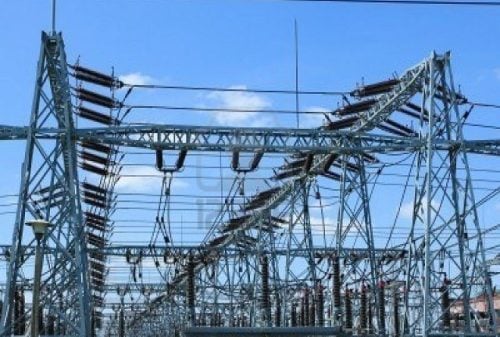
The Nigerian Independent System Operator (NISO) later confirmed that the outage occurred at about 12:40 p.m., following the simultaneous tripping of several 330kV transmission lines, critical arteries in the country’s electricity transmission network.
While NISO has yet to fully explain the cause of Tuesday’s collapse, it had earlier acknowledged the scale of recent failures when responding to last Friday’s incident.
“The Nigerian Independent System Operator wishes to inform the public that at approximately 12:40 hours on Friday, 23 January 2026, the national grid experienced a system-wide disturbance, which resulted in a total outage across the interconnected network,” the operator said.
Cities Bear the Cost
Urban planners and energy analysts warn that the frequent grid collapses are deepening Nigeria’s urban challenges—raising the cost of living, discouraging investment, and worsening environmental pollution as generator use surges.
As cities continue to expand and electricity demand rises, many Nigerians are questioning how long the country’s overstretched power infrastructure can sustain modern urban life without urgent upgrades and reforms.
For now, city dwellers can only wait for restoration—hoping the lights return before the next collapse.
About The Author