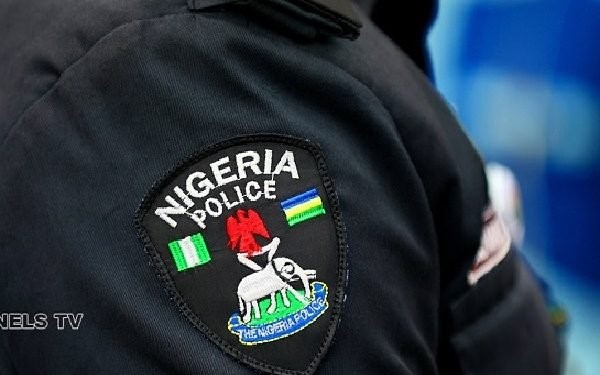
The Nigeria Police Force has stepped up internal discipline in the digital space, sanctioning at least 10 officers in the past month for violating its social media policy, CityScenes Magazine has learned. The move signals a renewed push by security authorities to rein in online conduct that could undermine professionalism, public trust, and operational security.
According to senior police sources, the disciplinary actions range from outright dismissal and rank reduction to severe reprimands and demobilisation. The sanctions followed intensified monitoring of officers’ activities across popular social media platforms, amid growing concern over viral content featuring personnel in uniform.
“The Force is actively tracking social media use by officers,” a source disclosed. “So far, 10 officers have been punished—one dismissed, one demoted, and others reprimanded or demobilised for various breaches.”
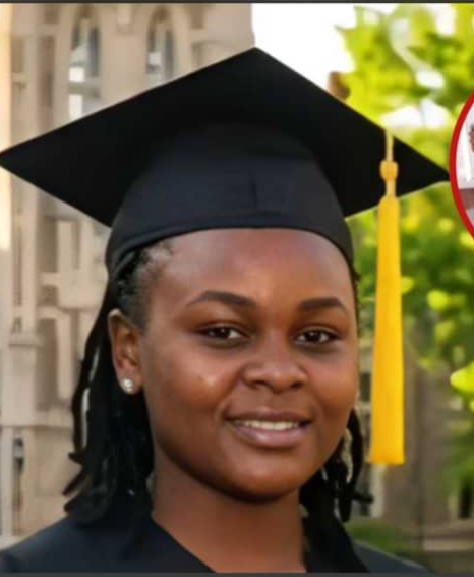
One of the most recent cases involved a female officer, Anemena Favour, attached to the Special Protection Unit Base 25 in Asaba, Delta State. She was demoted from Sergeant to Corporal after conducting a live broadcast on TikTok while dressed in a police uniform. The officer, identified by force number 068919, was found guilty of discreditable conduct and disobedience of lawful orders.
The demotion followed a review of orderly-room proceedings by the Department of Finance and Administration at the Force Headquarters in Abuja, in line with Paragraphs E(iii) and F of Police Regulation 370 (Act 2, Laws of the Federation of Nigeria, 2020).
Beyond immediate penalties, officers issued with severe reprimands face longer-term career consequences. Another source explained that such officers would be ineligible for promotions or certain benefits for six months, and may forfeit additional entitlements accruing within that period.
The latest enforcement drive builds on prior sensitisation efforts. Police colleges and training programmes have reportedly emphasised compliance with the Force’s social media policy, aiming to prevent breaches before they occur.
A copy of the Nigeria Police Force Social Media Policy, obtained by CityScenes, outlines strict limitations on online identification by officers. While personnel are permitted to use social platforms of their choice, they are prohibited from identifying themselves—directly or indirectly—as police officers unless expressly authorised.
Only a narrow category of senior officials and designated spokespersons are allowed to use police uniforms, ranks, logos, or insignia online. These include the Inspector-General of Police, Zonal Assistant Inspectors-General, State Commissioners of Police, the Force Public Relations Officer, designated Zonal and State PPROs, PPROs of training institutions, and the officer in charge of the Complaint Response Unit.
Attempts to obtain official reactions from the Delta State Police Public Relations Officer, Bright Edafe, and the Force Public Relations Officer, Benjamin Hundeyin, were unsuccessful as of press time.
Public-facing content involving police officers has increasingly drawn scrutiny, with viral videos and live streams often sparking debate and prompting disciplinary reviews. For authorities, the latest sanctions underscore a clear message: digital visibility must not come at the expense of discipline, professionalism, or public confidence
About The Author