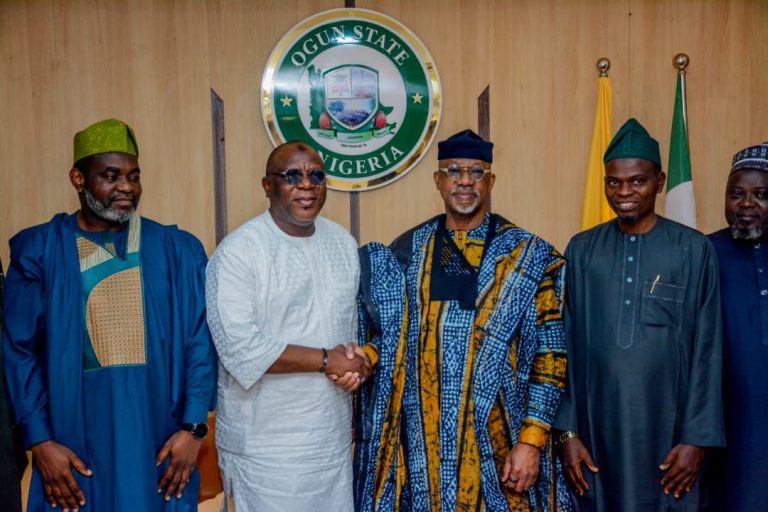

Oyo State Governor, Seyi Makinde, has issued a stern warning to traditional rulers across the state against openly taking sides in partisan politics, declaring that monarchs who choose to behave like politicians should be prepared to face the same political attacks and criticism directed at politicians during election campaigns.
Makinde gave the warning on Saturday, September 5, 2026, while speaking at the first coronation anniversary of the Eleruwa of Eruwa, Oba Samuel Adebayo Adegbola Ajobo Olurin I, as well as the commissioning of the newly renovated Eleruwa Palace in Eruwa.
The governor, who was also conferred with a chieftaincy title at the event, urged traditional rulers to preserve the dignity and neutrality of their stools by remaining fathers to all members of their communities, irrespective of political affiliation.
Makinde stressed that the traditional institution occupies a unique position in society and should not be dragged into partisan political battles.
According to the governor, monarchs should provide a neutral platform where politicians and political parties can interact with their communities without feeling that the palace has endorsed one candidate or another.
He warned that once a traditional ruler openly takes sides in politics, such a monarch should not expect to be shielded from the verbal attacks and criticisms that are commonplace during election campaigns.
“If you decide to behave like a politician, we will treat you like a politician,” the governor warned, stressing that political neutrality was necessary to preserve the respect traditionally accorded to monarchs.
Makinde maintained that the reverence enjoyed by traditional rulers is closely connected to their role as custodians of culture, history and community values. According to him, partisan conduct could undermine that authority and make it difficult for monarchs to command the respect of people across political divides.
The governor urged monarchs to see themselves as fathers to everyone within their domains rather than political actors working for particular candidates or parties.
He said traditional rulers should keep their palaces open to all political actors and allow politicians to engage with communities without using the authority or influence of the traditional institution to promote partisan interests.
Makinde also reaffirmed his administration’s commitment to respecting the traditional institution and ensuring that processes for filling vacant stools are handled peacefully and in accordance with established procedures.
He stressed that the government would continue to work with traditional rulers to maintain peace and stability across the state.
The governor’s remarks come against the backdrop of the increasingly intense relationship between politics and traditional institutions across Nigeria, where monarchs often wield considerable influence within their communities.
While traditional rulers do not ordinarily contest elections as representatives of the traditional institution, their public endorsements and relationships with political actors can carry significant social and political weight.
Makinde therefore urged the monarchs to protect the neutrality of their offices, arguing that doing so would help preserve peace within communities before, during and after election periods.
The governor’s message was clear: traditional rulers remain respected custodians of their communities, but that respect, he suggested, comes with a responsibility to stay above partisan political battles.
For Makinde, the palace should remain a place where every political camp can enter—and no political party should be able to claim the monarch as its own.
T
About The Author